how do you create a digital experience people can trust?
At H&M, the digital experience was constantly moving between fashion, commerce, content, and customer communication. Even the smallest details — how a promotion was explained, a product was presented, or how customers understood a new program — could affect a customer’s confidence moving through the experience. I was interested in identifying the places where those details weren’t quite working together and finding opportunities to make information clearer, remove friction from the e-commerce journey, and make sure what customers were seeing online actually supported the experience H&M wanted to create.



the customer journey doesn’t end at checkout.
I started looking at content and customer experience as connected pieces of a larger brand trust point of view. Sometimes I uncovered a super simple issue: unclear or inconsistent information. Other times, it was a larger question of whether customers had what they needed to make a decision — whether they were trying to understand a new loyalty program, figure out the fit of a garment, or make an online purchasing decision.


making a new loyalty experience easier to understand.
Ahead of the North American launch of H&M’s new loyalty program, a select group of customers were invited to beta test the experience within the mobile app. Beyond getting the program in front of customers early, the beta test gave H&M an opportunity to gather actionable insights, improve the omnichannel experience, and refine how the program was communicated before the official public launch.

designing the communication around the experience.
I supported the beta rollout by creating customer-facing communications such as mobile app push notifications, customer emails, and a bilingual FAQ for the French-Canadian website, all designed to help shoppers understand what the program entailed, how it worked, and why they should download the app. I focused on streamlining the program information and keeping the messaging consistent across each touchpoint, so customers didn’t have to piece together how the experience worked from different sources. My goal was simple: make it easier for customers to understand how to earn and redeem points, encourage early engagement, and create a seamless, accessible experience across the different places they interacted with H&M. The result was a more aligned content experience supporting beta participation and giving H&M a stronger foundation ahead of the public launch.


turning high-volume campaigns into cohesive experiences.
H&M moved rather quickly. I supported more than 10 campaigns each week across fashion, beauty, and home categories, creating for web, email, and social channels. To sustain this high volume, strategy couldn’t live separately from execution. I was constantly looking at competitor activity across the different verticals, and how the same campaign should translate from one channel to another.


strategy had to move as quickly as the product.
I moved between analyzing competitor positioning and category trends to developing and optimizing clear, targeted content for different audiences, and making sure the messaging remained recognizably H&M regardless of touchpoint. My work had a direct connection to commercial goals, with featured collections regularly selling through within 1–3 days of launch.

making the digital storefront feel more trustworthy.
The other side of e-commerce strategy is knowing when the problem isn’t the campaign — it’s the experience customers have once they click or tap the link. H&M needed a more intuitive, transparent online journey that actively supported confident purchase decisions.

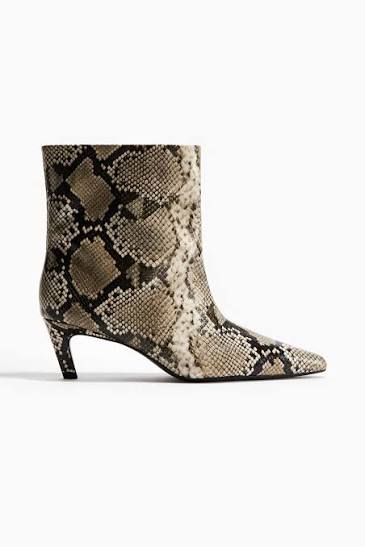
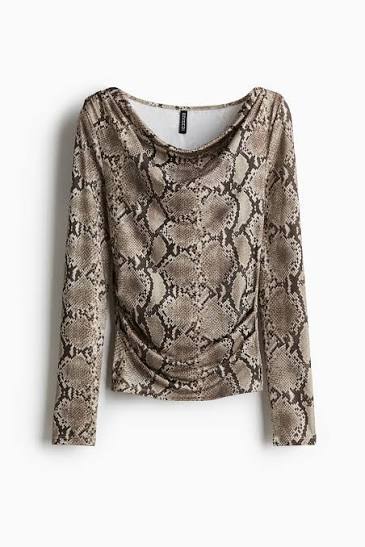
content accuracy became part of the brand experience.
I started treating website discrepancies as a brand trust issue. When product information didn’t line up, fit context was unclear, or important details were omitted from a product detail page, customers were forced to make a decision without all the context they needed. I identified inconsistencies across product detail pages and looked for ways to make those decision points clearer. One example was introducing model sizing details. It was a small change, but it addressed a larger problem: if H&M wanted customers to feel confident buying online, the information supporting that decision had to be accurate, consistent, and useful.


a clearer journey. a stronger experience.
Across loyalty, campaigns, and e-commerce, my work centered on the same idea: the details customers encounter online shape how they experience the brand. Resolving content gaps and UX inconsistencies had a much more profound impact than making the website look prettier. These details impacted actual customer confidence at key decision points, and, therefore, conversion. Misaligned product information or an inaccessible interface leads to a broken connection between brand promise and online execution.
TO SELL OUT
EACH WEEK
ANALYZED WEEKLY

from content to experience to conversion.
The best digital experiences aren’t created by looking at each touchpoint in isolation. Details matter. What customers see, what they’re told, what information they’re missing, and what might make them hesitate.